Do Your Trees Need Maintenance?
Residential tree work is relatively straightforward… One homeowner, driveway, and decision-maker.
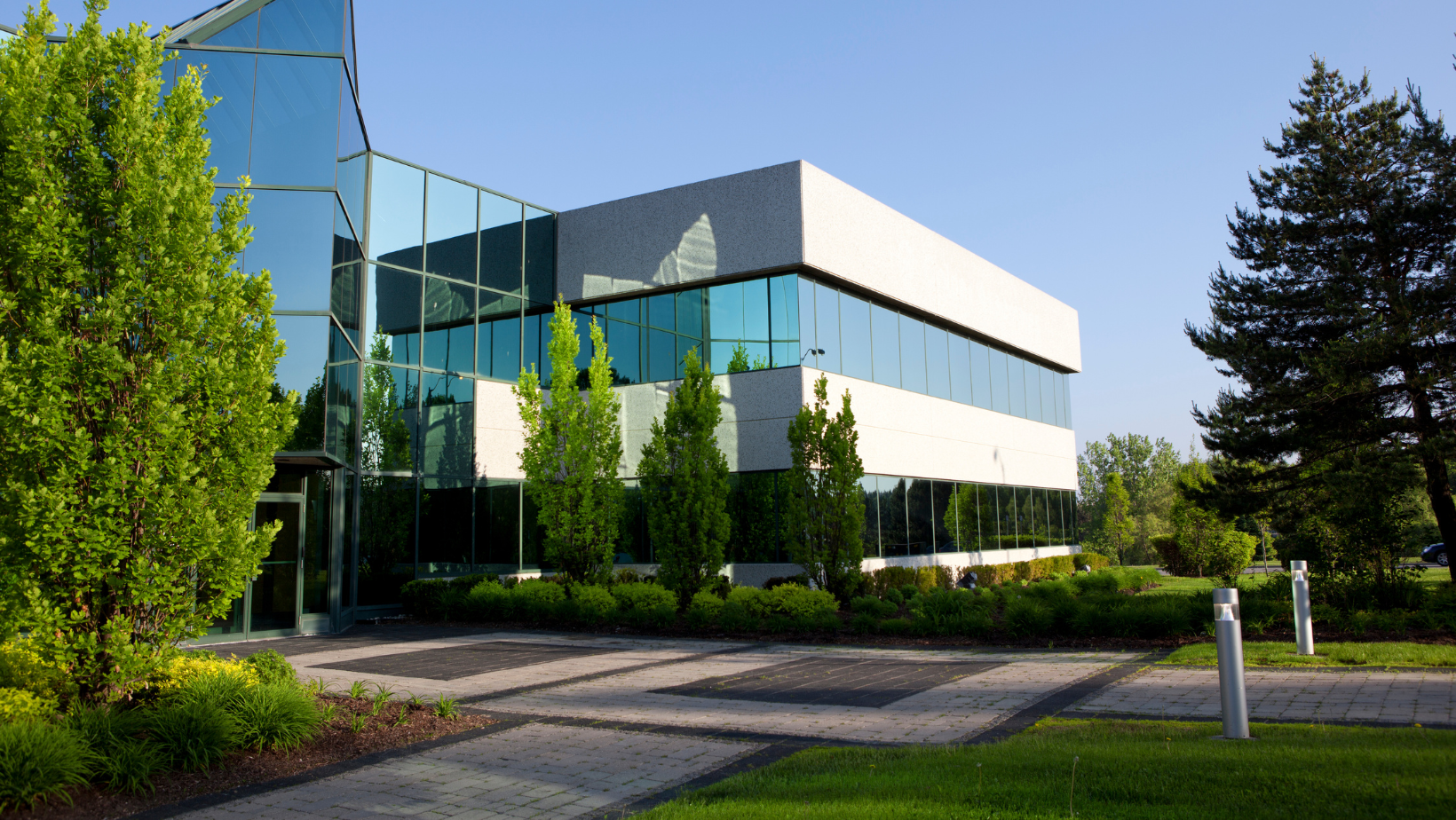
Commercial tree work presents unique challenges. A single trimming can cause tenant emails, parking issues, delivery problems, and safety concerns, often landing on your desk rather than the tree company’s. You also manage shared parking, pedestrian flow, ADA access, vendor deliveries, and public perception. In this context, a fallen tree branch is usually the last concern anyone wants.
A crew arriving without a plan can accidentally obstruct sightlines to storefronts, block popular parking spots, or cause confusion at entrances. Even well-executed work may lead to unnecessary frustration due to disruption. Good planning for commercial trees doesn’t completely prevent disruption, but minimizes it enough so that most people don’t complain.
This guide walks through how smart commercial tree planning works and how a simple yearly maintenance approach can save you time and money!
Top Reasons Tenants Complain
Blocked parking is often the main complaint tenants have. Since people are creatures of habit, losing their usual spot suddenly can quickly lead to frustration. The solution involves careful planning of staging and timing.
Uncertainty can be challenging when tenants see cones, trucks, or crews but don’t know what’s happening. It can cause worries or assumptions. Clear, friendly communication turns confusion into cooperation, making everyone feel more comfortable and connected.
Safety concerns are the most serious, leading to anxiety about hanging limbs, cracked branches, or work near walkways.
It Starts With The Site Walk
A site walk allows your tree provider to see the property as tenants and customers do. It answers practical questions like where people actually walk, where traffic bottlenecks occur, and which areas matter most during business hours.
This is also where an arborist can separate cosmetic issues from true risks. Not every overgrown tree is dangerous. Some need structural pruning, some need clearance work, and some require removal because failure is likely.
A proper site walk leads to fewer surprises, better scheduling, and clearer pricing, and it makes you look organized and proactive.
Planning Tree Work Without Disrupting Parking Or Traffic
Rather than closing entire sections of a lot, effective plans use smaller, phased closures. One area is closed, completed, reopened, and then the crew moves on. This keeps parking available and reduces frustration.
Equipment staging matters too. Where trucks and chippers sit affects visibility, traffic flow, and emergency access. The goal is to keep entrances visible, drive lanes open, and routes intuitive.
Retail centers tend to have busy peak hours, while apartment complexes see many residents leaving in the mornings and coming back in the evenings. Offices usually follow predictable schedules. By working around these natural rhythms, you can make a real positive difference.
Communicating The Plans
Tenants appreciate clear communication over lengthy explanations. A brief notice that explains what’s happening, when it’s taking place, and where to avoid parking usually does the trick. It helps everyone stay informed and feel more at ease.
It’s better when notices explain why work is happening. When people see that trimming or removals improve safety and reduce storm damage, they’re more patient.
Clear communication not only reduces complaints but also builds trust and professionalism in property management.
When emergencies occur, the priority is restoring safety and access, clearing hazards, reopening drive lanes, and securing walkways. The best emergency plan is a maintenance plan that reduces the frequency of emergencies in the first place.
Annual Tree Care Calendar For Toledo Properties
A good commercial tree care plan should be clearly reflected in the quote, including defined scopes of work, timing, access, parking, cleanup, and optional add-ons like annual inspections or storm response.
To prevent emergency tree work, plan maintenance year-round rather than react to problems. Northwest Ohio’s seasons offer optimal windows for specific tree work with less disruption.
Properties that follow a predictable cycle, like the one listed below, spend less on emergencies and experience fewer surprises.
- Late Winter (January–March): Ideal for structural pruning and removals while trees are dormant. Visibility is better, crews can work efficiently, and schedules are often more flexible before spring demand ramps up.
- Spring (April–June): Focus on preparation. Clearance pruning, storm readiness, and identifying trees that struggled the previous year help prevent mid-season issues and reduce emergency calls.
- Summer (July–August): This is the best time to monitor tree health. Heat and drought stress become obvious, and developing problems can be flagged and scheduled before they turn urgent.
- Fall (September–November): One of the best seasons for maintenance. Trees reveal structural concerns; leaves fall, and proactive work now reduces the risk of winter storm damage.
- Early Winter (December): Planning season. Budgets are finalized, priorities are set, and next year’s work is scheduled before calendars fill up.
Request A Site Walk And Maintenance Quote
If you’re looking after a commercial property, HOA, church, or a multi-building site in Toledo, Sylvania, Perrysburg, Maumee, Bowling Green, Waterville, or nearby areas, we’d love to help you create a tree plan that fits your needs.
A site walk helps evaluate risk, plan access, and build a budget-friendly maintenance quote. We can also assist with long-term planning through arborist consulting or by creating a recurring schedule to keep your property safe, clean, and compliant year-round.
Send us a message or give us a call to get started!