Is Your Tree Sick Or Just Stressed?
Have you been staring at a tree in your backyard for the past year, debating if something is wrong with it, or if it’s just a figment of your imagination? If you’re not a tree expert, it can be hard to tell! With long, wet springs, hot, dry summers, sudden windstorms off Lake Erie, and all sorts of invasive insects and disease pressure, Toledo is in a prime area to get sick trees.
The challenge is that many tree diseases and pests in Northwest Ohio look alike at first. Browning leaves, thinning canopies, sticky residue, or dead branches can all point to very different problems. Some are cosmetic. Some are manageable. Others are serious safety concerns.
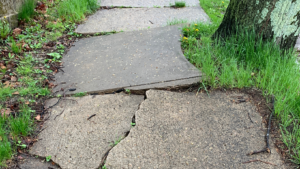
Here in the Toledo area, we see trees decline after driveway replacements, sewer work, fence installs, or new patios. Root damage and soil compaction don’t show up right away, but months later, the tree may start dropping leaves or thinning out.
We also see heat stress during dry summers, salt damage near busy roads, and herbicide drift from lawn treatments. All of these can mimic disease symptoms.
This guide focuses on the tree diseases Ohio homeowners commonly need help identifying, what the warning signs actually mean, and when it’s time to call an arborist instead of waiting it out.
And if you’re still unsure, we make it easy. Send us a few photos for a quick assessment!
The Most Common Tree Pests In Northwest Ohio
Several invasive pests cause ongoing problems for trees across Toledo and surrounding communities. Some trees deteriorate slowly over time, while others can become serious safety risks if left unchecked. Knowing the early warning signs helps homeowners take action before a manageable issue becomes an emergency.
Below is a list of the most common local bugs we don’t like…
- Emerald Ash Borer (EAB) – The most destructive tree pest in our area, especially in older neighborhoods like Ottawa Hills, West Toledo, and Sylvania, where ash trees were planted decades ago. Early signs include thinning at the top of the canopy, gradual branch dieback, and increased woodpecker activity. As the infestation progresses, ash trees become extremely brittle and unpredictable, making them dangerous near homes, driveways, and power lines.
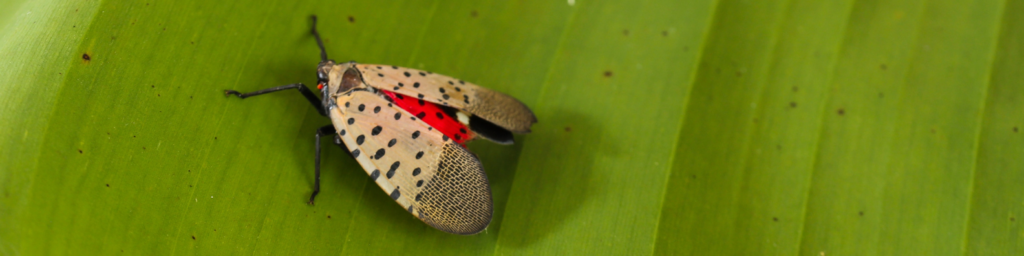
- Spotted Lanternfly – Now well established in Northwest Ohio and increasingly noticeable in residential areas. Homeowners often first notice sticky residue on decks, patios, siding, or vehicles, followed by ants, wasps, and black sooty mold. While this pest doesn’t usually kill mature trees outright, heavy infestations cause ongoing stress and create major quality-of-life issues around outdoor living spaces.
- Spongy Moth – These caterpillars feed heavily on oaks and other hardwoods common in the Toledo area. A single season of defoliation may not be fatal, but repeated leaf loss weakens trees over time, especially when combined with drought stress or poor soil conditions. Trees that once recovered may begin showing thinning canopies and increased branch dieback year after year.
Regular Tree Diseases We See Around Toledo
Several tree diseases show up repeatedly across Toledo and Northwest Ohio. Some move quickly and create safety risks, while others develop slowly over time. Knowing the early warning signs helps homeowners decide when to monitor a tree and when to call an arborist.
- Oak Wilt – A fast-moving and serious disease, especially in red and black oaks. Watch for sudden browning in sections of the canopy and early leaf drop. This is not a wait-and-see issue and should be evaluated immediately.
- Beech Leaf Disease – Increasingly common in our area. Look for dark striping between leaf veins, thick or curled leaves, and gradual canopy thinning that worsens year after year.
- Dutch Elm Disease – Still present in Toledo neighborhoods. Often starts with wilting or dieback on one branch or section of the tree and can spread if not addressed early.
- Anthracnose – Common after cool, wet springs, especially on sycamores. Leaves may look distorted or drop early, but trees often recover unless the problem repeats or the tree is already stressed.
- Bacterial Leaf Scorch – A slow, progressive disease most often seen on oaks. Leaves develop scorched edges late in summer, and symptoms return annually as the canopy gradually thins.
When It’s Time To Call An Arborist
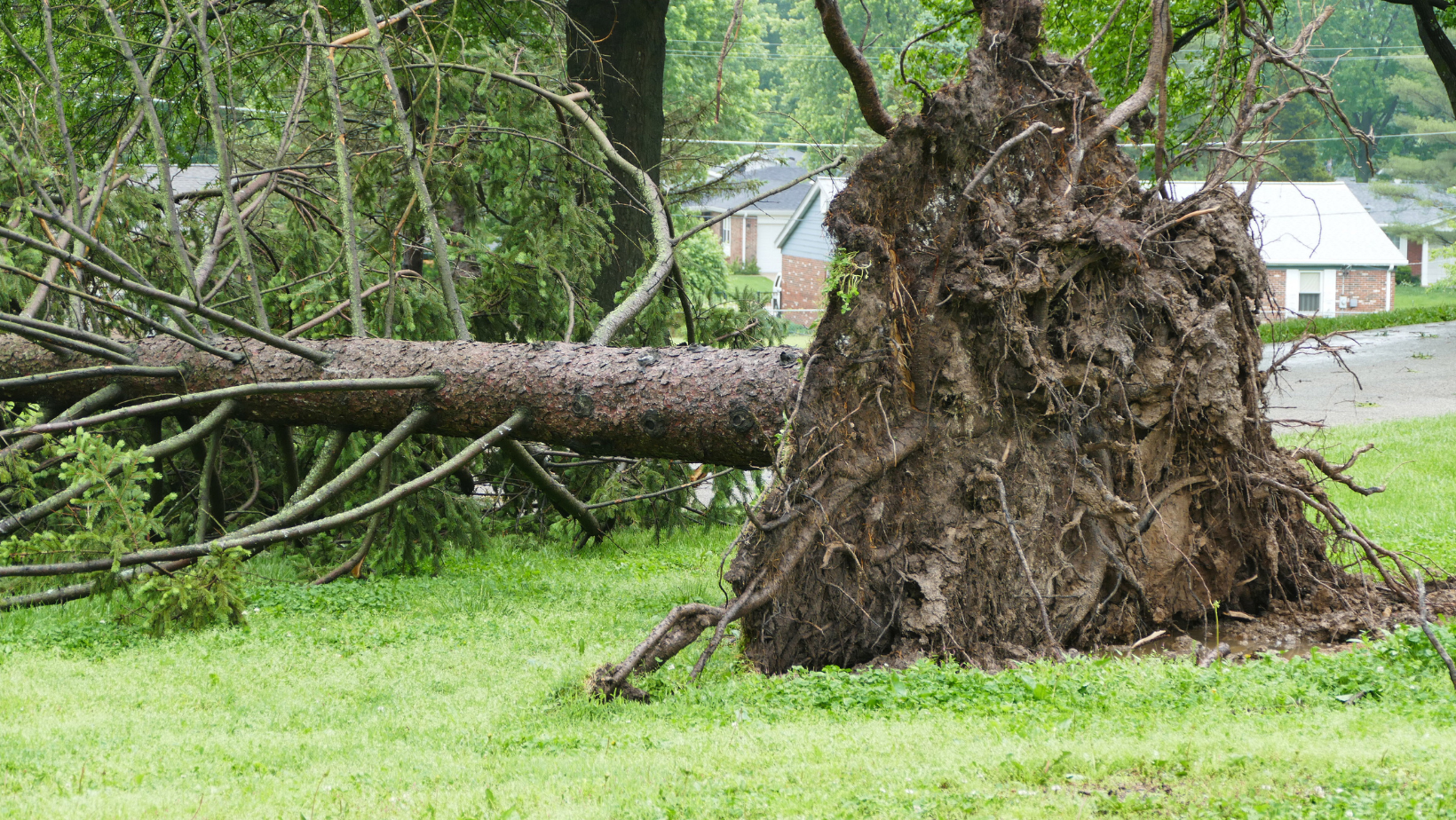
You should stop guessing and call a professional if a tree is dropping large branches, leaning more than it used to, showing cracks in the trunk, or growing fungus at the base.
If a tree could hit your house, garage, fence, or power lines, it’s worth addressing sooner rather than later.
Tree problems rarely fix themselves once safety is involved.
Send A Photo For A Quick Assessment
Joey Tree serves Toledo, Sylvania, Perrysburg, Maumee, Bowling Green, Waterville, and nearby Northwest Ohio. If your trees have problems, we’re happy to inspect and advise on the safest next steps. Many issues can be diagnosed from photos, especially with knowledge of the tree species and season.
If you’re unsure what’s going on, send us a few clear images, and we’ll let you know whether it looks urgent or something that can be monitored.
Helpful photos include a full view of the tree, close-ups of affected leaves or needles, the trunk and base, and anything the tree could hit if it failed. You can email joeytreellc@gmail.com or call/text 419-329-8900, and we can see how we can help!